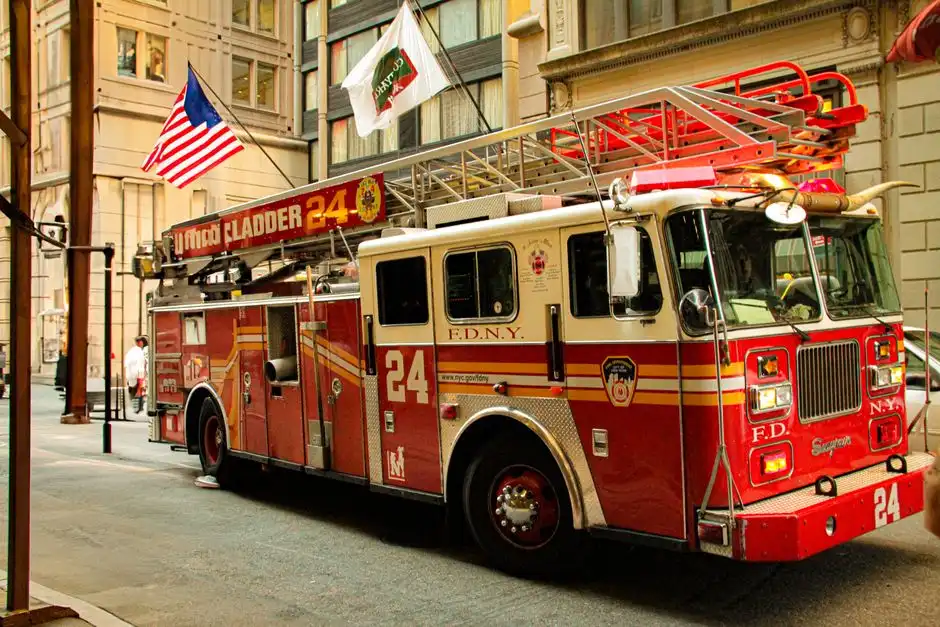
Soot, char and odor pulled out at the source, not painted over

Smoke Remediation in EDWARDS, California That Clears the Air

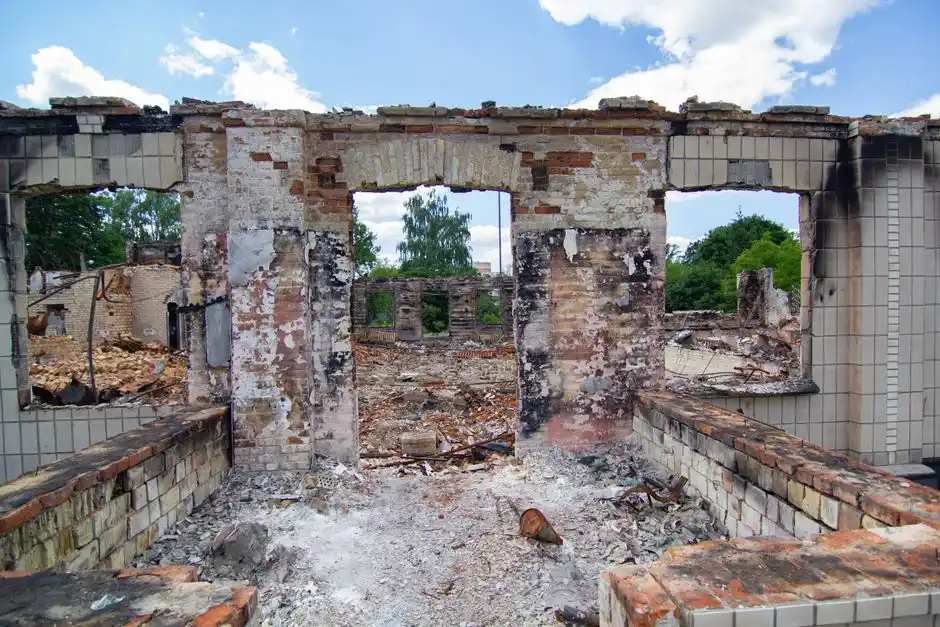
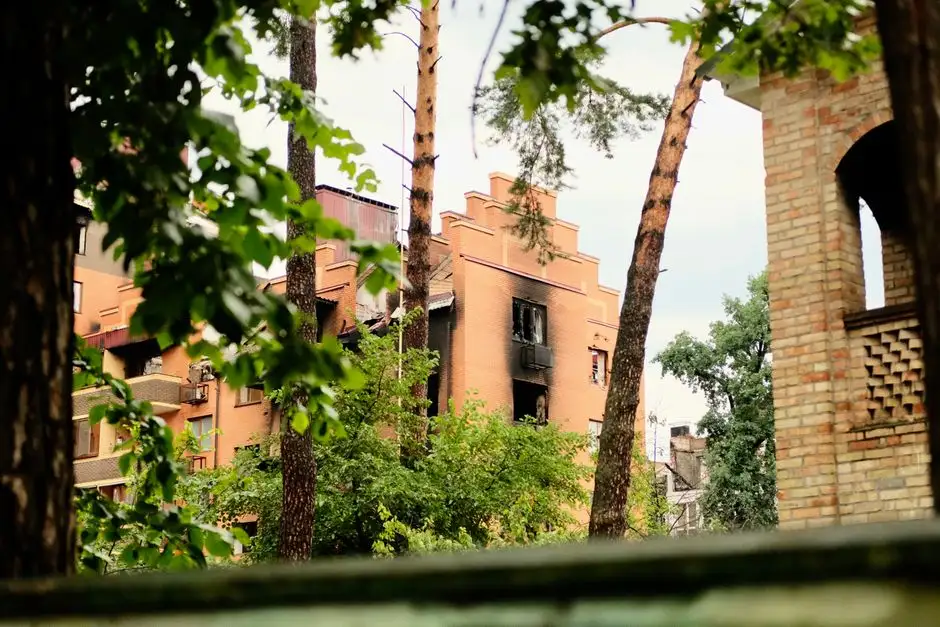
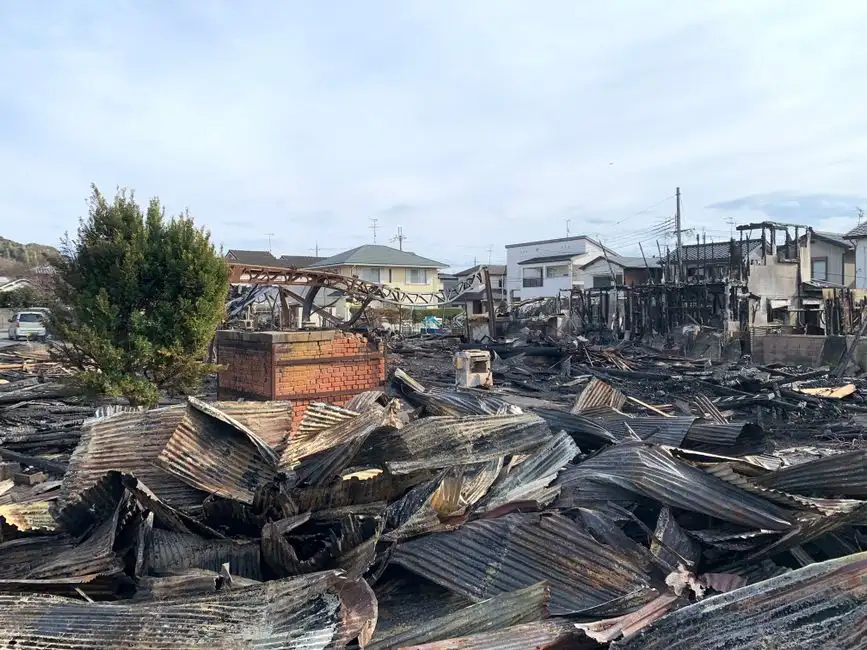
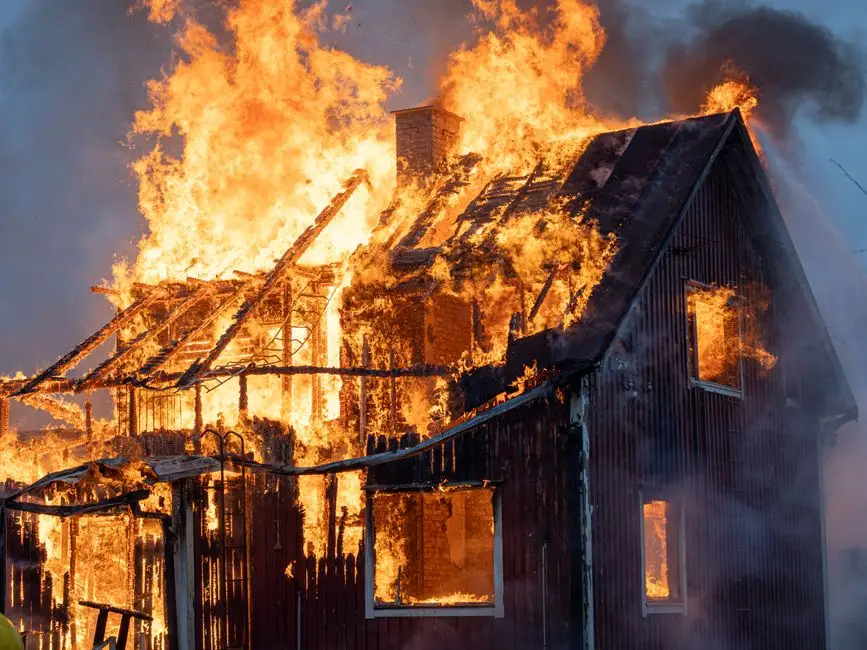
Smoke remediation in EDWARDS, California is what stops a small fire from turning into a permanent smell in your walls. We pull soot off ceilings, scrub the HVAC, and run the equipment that breaks down smoke molecules instead of masking them. If you are searching for smoke damage restoration near me EDWARDS, our crew is on call around the clock and can be at your door the same day.

↗
Fast online booking

Request service today

Tell us what is happening. Our local team will confirm your visit shortly.

No spam. No obligation. Just practical help.
Thanks — we'll call shortly to confirm your visit.
Smoke Remediation
Careful work. Honest options.
About this service

What Smoke Remediation in EDWARDS, California Really Involves

Smoke remediation in EDWARDS, California is the trade of removing soot residue and odor-causing particles from a structure after a fire, and it is a different job than wiping down walls. Smoke travels into wall cavities, attic insulation, ductwork and the back of cabinets. We use thermal foggers, ozone generators and HEPA air scrubbers to reach those spaces, then seal what cannot be cleaned with a smoke sealant primer so the odor does not come back on the first hot day.

Most calls we get in EDWARDS start the same way: a kitchen fire that got put out fast, but three days later the whole house smells like a campfire. Others come from electrical fires in older walls or a garage fire that pushed smoke through the HVAC. If you need affordable smoke remediation in EDWARDS, California, the earlier we get in, the less material has to come out. Soot that sits for a week etches into paint and stainless.

  • ✓ Odor Gone at the Source
  • ✓ Soot Off Before It Etches
  • ✓ HVAC and Ducts Cleaned
  • ✓ Insurance Paperwork Handled
What's included

What Our Smoke Remediation Covers

The scope below is what a standard smoke remediation job includes. Reconstruction like new drywall or roofing is quoted separately once we know what has to come out, and we tell you that upfront rather than burying it in the invoice.

✓

Room-by-Room Soot Removal

Dry sponge work on ceilings, walls, trim and fixtures, followed by chemical cleaning on hard surfaces. We work top-down so loosened soot does not resettle on surfaces we already cleaned.

✓

HVAC and Duct Cleaning

Filter replacement, blower and coil cleaning, and duct sealing where smoke has entered the runs. This is what keeps the system from redistributing soot every time the heat comes on.

✓

Thermal Fogging and Ozone Treatment

Odor counteractant chemicals applied as a fog to reach cavities and porous surfaces, followed by hydroxyl or ozone treatment sized to the cubic footage of the affected space.

✓

Contents Cleaning

Furniture, clothing, dishes and electronics cleaned and deodorized where salvageable. We inventory what gets cleaned, what gets stored and what gets discarded so nothing goes missing.

✓

Sealing and Documentation

Smoke sealant primer on framing and cavities, plus a full photo and moisture log package written in the format your adjuster needs to approve the claim.

How it works

What to Expect From Start to Finish

01

Emergency Board-Up

If a window or door was opened by the fire department, we secure the structure first so weather and animals stay out. This usually happens within 2 to 4 hours of your call. We also shut off the HVAC so soot is not pulled deeper into the system while we work.

02

Assessment and Scope

A lead tech walks the house with a thermal imaging camera and moisture meter, mapping where smoke traveled and where water from suppression is sitting. You get a written scope with room-by-room line items. This walkthrough takes 45 to 90 minutes and is the basis for the insurance claim.

03

Dry Soot Removal

We start dry, not wet. Soot sponges lift loose carbon off ceilings, walls and trim before any liquid touches the surface. Wet-wiping first is what causes those gray streaks that never come out. This stage runs one to two days on an average house.

04

Deep Clean and Deodorize

Contents, cabinets, appliances and ductwork get cleaned with odor counteractant chemicals matched to the type of smoke, whether it was protein from a kitchen fire or wet smoke from a smoldering electrical fire. Then thermal fogging and hydroxyl or ozone treatment run for 24 to 72 hours depending on how far the smoke traveled.

05

Seal, Verify, Hand Back

Wall cavities and framing get a smoke sealant primer, and any charred lumber gets evaluated against California Building Code before we close anything up. We do a final sniff test with you in the room, not from the driveway. If you can still smell it, we are not done.

Tools & methods

Equipment and Methods We Use

Purpose-built equipment, used by trained technicians — so the job is done accurately the first time.

Thermal Fogger

Vaporizes odor counteractant chemicals so they reach wall cavities, cabinet interiors and other spaces a spray bottle cannot. Used after dry soot removal, never before.

Ozone Generator

Breaks down smoke molecules in unoccupied spaces. Sized by cubic footage and run in cycles, typically 24 to 48 hours, with the space cleared before anyone re-enters.

Hydroxyl Generator

The safer option for occupied spaces and for contents that cannot be moved out. Runs longer than ozone but does not require the house to be empty.

HEPA Air Scrubber

Filters fine smoke particles out of the air while we work so they do not resettle on cleaned surfaces. Runs continuously through the cleaning phase.

Thermal Imaging Camera

Finds where smoke and firefighting water traveled inside walls and ceilings without opening everything up. Also confirms the structure is dry before we close it.

Moisture Meter

Reads moisture content in drywall, lumber and insulation so we know when the structure is actually dry, not just dry to the touch.

Dry Ice Blasting Machine

Removes heavy soot and char from framing and masonry without the abrasive damage of sanding or soda blasting. Useful on structural lumber that needs to stay in place.

Real results

Before and after.

Kitchen Fire, Whole-House Odor

Before

A grease fire was put out with an extinguisher in under two minutes, but the protein smoke traveled through the return air and the whole 1,800 square foot house smelled like burnt oil a week later. The homeowner had already wiped the walls twice with no improvement.

After

We cleaned the range hood and cabinets, replaced the HVAC filter, cleaned the blower and ran hydroxyl generators for 48 hours. The odor test passed on day three and the homeowner cancelled the hotel booking for the rest of the week.

Electrical Fire in a Bedroom Wall

Before

A smoldering electrical fire inside a bedroom wall filled the second floor with wet smoke. Visible surfaces looked clean, but the smell was strongest in the hallway closet, which pointed to a wall cavity as the source.

After

Thermal imaging traced the smoke path to two cavities. We opened, cleaned and sealed both, replaced 40 square feet of drywall and cleaned the shared HVAC. The final odor test passed on day nine.

Garage Fire With Attic Contamination

Before

A garage fire pushed smoke through the attic and into the living space above. The attic insulation was saturated with smoke residue, and the smell got worse every afternoon as attic air expanded into the house.

After

We removed and replaced 600 square feet of attic insulation, cleaned and sealed the roof decking and trusses, and ran hydroxyl generators in the attic for 72 hours. The afternoon smell stopped within a week.

Problems we solve

Smoke Problems We Fix Before They Get Worse

Smoke damage is one of those problems that looks small on day one and looks expensive on day ten. Here are the specific failures we see most often in EDWARDS homes and what we do about each one.

Ask a pro →
01

The smell comes back every time the heat runs

We clean the blower and coil, replace the filters and seal the duct runs, then run air scrubbers while the system cycles to confirm nothing is left in the loop. The test is simple: run the heat for an hour and see if the smell returns.

↗
02

Gray smears on walls after a DIY wipe-down

We lift soot dry with soot sponges first, then switch to chemical sponges on painted surfaces. If the smear is already there, we seal it with a smoke sealant primer before repainting so it does not bleed through the new coat.

↗
03

Corroded metal fixtures and appliances

We clean and neutralize metal surfaces early in the process, usually within the first 48 hours of starting work. Appliances that are still functioning get cleaned and tested rather than written off.

↗
04

Mold growing after the fire is out

Our WRT-trained techs dry the structure with air movers and dehumidifiers before smoke work begins, and we meter the cavities to confirm dry standard rather than guessing from the surface.

↗
Proof you can check

Credentials and Reviews

✓
IICRC Fire and Smoke Restoration Technician (FSRT)Institute of Inspection, Cleaning and Restoration Certification
✓
IICRC Odor Control Technician (OCT)Institute of Inspection, Cleaning and Restoration Certification
✓
IICRC Water Damage Restoration Technician (WRT)Institute of Inspection, Cleaning and Restoration Certification
✓
EPA Lead-Safe CertificationU.S. Environmental Protection Agency
✓
CSLB Licensed ContractorCalifornia Contractors State License Board
Good questions

Questions We Get on the Phone

(833) 929-6186 →

Most residential smoke remediation jobs in EDWARDS run $1,200 to $6,500 in 2026, with a typical single-room kitchen fire landing around $2,400. Whole-house jobs with HVAC contamination push toward the top of that range. The biggest cost drivers are square footage affected, how long the smoke sat before cleanup, and whether ductwork needs sealing. We give you the scope and price before we start.

Smoke remediation is the cleanup phase: soot removal, deodorization and sealing. Smoke damage restoration is the broader project that includes remediation plus repairing or replacing what the fire damaged, like drywall, insulation, roofing shingles or cabinets. In practice most jobs need both, and we handle them under one scope so you are not coordinating two contractors.

A single-room job typically takes 2 to 4 days. A whole-house job with HVAC cleaning and structural sealing runs 7 to 14 days, and heavy charring that requires reconstruction can push past three weeks. The deodorization stage alone runs 24 to 72 hours of equipment time, and we do not pull the equipment until the smell test passes with you in the room.

Yes, in most cases. Porous materials like drywall, insulation and carpet usually cannot be cleaned and have to come out, but framing, cabinets, hardwood and most hard surfaces can be restored. The key variable is time. Soot starts etching surfaces within 72 hours, so a call in the first few days usually means far less replacement. We will tell you honestly what can be saved and what cannot.

Ready when you are

Get Smoke Remediation in EDWARDS, California Started Today

Every day the soot sits, more material has to be replaced. Call (833) 929-6186 and we will give you a straight answer on the phone about what the job needs and what it will cost. Same-day estimates, no charge for the walkthrough.

Call for Same-Day Service (833) 929-6186 →
Request an appointment

Call for Fire Damage Restoration

If a fire has damaged your home or business, call us at (833) 929-6186. A live dispatcher answers 24 hours a day and sends a crew to your EDWARDS address, usually within 60 to 90 minutes for emergency calls. We will confirm a response window before we hang up.

Request received — our team will be in touch shortly.
Tap to call(833) 929-6186