Smoke odor that comes back on warm days
We treat the cavities and substrate with thermal fogging and hydroxyl generation, then seal exposed framing with smoke sealant primer. The smell doesn't come back because the source is gone, not covered.
When a kitchen fire or electrical short leaves smoke damage restoration in EDWARDS, California on your to-do list, the clock matters. Soot etches into drywall within days, and odor settles into insulation and ductwork. We inspect, contain, and clean with HEPA air scrubbers and thermal foggers, then seal what can't be removed. One crew handles the whole job.
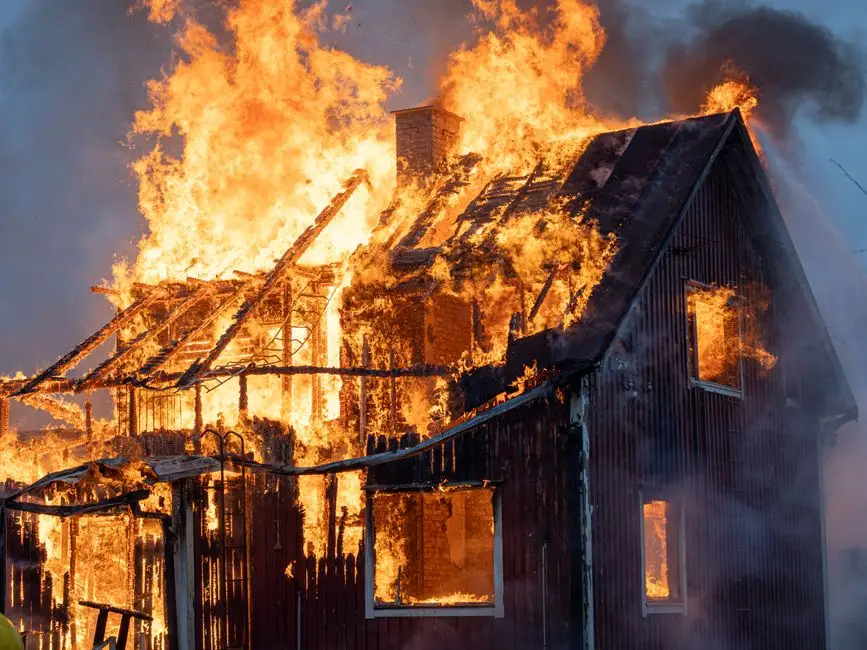
Smoke damage restoration in EDWARDS, California is the process of removing soot residue, neutralizing odor, and sealing or replacing materials that absorbed combustion byproducts after a fire. It is not a wipe-down. Soot sponges lift dry residue from walls and ceilings, HEPA air scrubbers pull particles out of the air, and thermal foggers push odor counteractant chemicals into the same crevices the smoke reached. Charred drywall, contaminated insulation, and saturated HVAC filters come out. Smoke sealant primer goes on framing so the smell doesn't return on the first warm day.
Most calls we take in EDWARDS come after a kitchen fire, an electrical fire in a wall cavity, or a small attic fire that the fire department knocked down fast. The flames are out, but the smoke traveled. It moves through return-air plenums, settles on the cold side of exterior walls, and stains the inside of cabinets. If you're searching for smoke damage restoration near me in EDWARDS California at 9 p.m., that's usually why. The damage is invisible until it isn't.
Every smoke job we quote in EDWARDS includes the inspection, the soot removal, the odor treatment, and the final walkthrough. Structural repair and material replacement are quoted separately if the fire calls for them, and we tell you that up front so the number doesn't move later.
A technician walks the structure with a moisture meter and thermal imaging camera, photographs the smoke path, and writes the scope. You get the price before any equipment comes off the truck.
HEPA air scrubbers and negative air pressure keep soot from migrating into clean rooms while we work. Zipper walls protect doorways, and the HVAC system gets isolated before cleaning starts.
Dry soot sponges and HEPA vacuums on ceilings, walls, and framing, followed by wet cleaning matched to the smoke type. Cabinets, trim, and hard fixtures are included in the standard scope.
Thermal fogging or hydroxyl generation for the air volume and cavities, plus smoke sealant primer on exposed framing. Metal fixtures get a fire retardant coating where corrosion or code calls for it.
Filters come out, accessible duct runs get cleaned, and duct sealing materials go on where the lining is compromised. This is the step that keeps the smell from coming back the first time you run the heat.
We walk the house with you, check the air, and don't pull equipment until the smell is gone to your nose. Documentation goes to your insurance adjuster the same day.
We arrive, walk the structure with a moisture meter and thermal imaging camera, and photograph everything for your insurance file. We map the smoke path: attic, wall cavities, ductwork, cabinet interiors. Same-day smoke damage restoration EDWARDS California scheduling is standard when you call before noon.
We set negative air pressure with HEPA air scrubbers so soot doesn't migrate into clean rooms while we work. Doorways get zipper walls, and the HVAC system gets isolated. This step takes 30 to 60 minutes and protects the rooms that weren't damaged.
Soot sponges and HEPA vacuums lift loose residue from ceilings, walls, and framing before any liquid touches it. Wetting dry soot first smears it into the pores. This is the step that decides whether paint and finishes survive.
Walls, cabinets, and hard surfaces get cleaned with odor counteractant chemicals matched to the smoke type: protein smoke from a kitchen fire cleans differently than the oily smoke from a wiring fire. Then thermal fogging or a hydroxyl generator treats the cavities and air volume.
Framing and any exposed substrate get smoke sealant primer, and metal fixtures get a fire retardant coating where code or corrosion calls for it. We run a final walkthrough with you, check the air, and don't pull equipment until the smell is gone to your nose, not just ours.
Purpose-built equipment, used by trained technicians — so the job is done accurately the first time.
Pushes odor counteractant chemicals into the same crevices the smoke reached, including wall cavities and cabinet interiors. It's the tool that treats odor at the source instead of on the surface.
Runs continuously in occupied-adjacent spaces to break down smoke odor molecules in the air and on porous surfaces. Safe to run while the homeowner is nearby, unlike ozone.
Pulls soot particles out of the air and maintains negative pressure in the containment. Every smoke job runs at least one scrubber per affected zone.
Maps how far heat and smoke traveled through walls and ceilings so we remove only what's compromised. It's how we avoid gutting rooms that don't need it.
Finds firefighting water in wall cavities and under flooring before it becomes mold growth after fire suppression. Every job gets checked, even the small ones.
Removes heavy char and soot from framing and masonry without abrasion or water. It's the cleanest way to prep structural lumber for sealing.
Strips smoke-stained masonry and brick where dry ice isn't the right fit. Used on fireplace surrounds and exterior walls after a fire.
A pan of oil caught fire and the fire department knocked it down in under five minutes. The kitchen ceiling was coated in protein smoke, the cabinets were sticky, and the smell had pulled into the return-air plenum and spread through the first floor.
We contained the kitchen, ran HEPA air scrubbers for two days, dry-sponged and wet-cleaned the ceiling and cabinets, and treated the air volume with a thermal fogger. The HVAC got cleaned and the filters replaced. The smell was gone in four days and the cabinets were saved.
A wiring fault started a fire inside a bedroom wall. The fire was small, but the oily soot stained the surrounding drywall and the smell had moved into the adjacent closet and hallway. The framing in the cavity was charred.
We opened the cavity, removed the charred insulation and drywall, and dry-cleaned the framing. Smoke sealant primer went on the studs, the cavity was treated with a hydroxyl generator, and new drywall went up to California Building Code. The room passed the smell test in five days.
A small attic fire was knocked down fast, but the smoke had soaked into the insulation and coated the roof decking. The homeowner noticed the smell getting worse every time the attic fan ran, and it was starting to drop into the upstairs bedrooms.
We removed the contaminated insulation, HEPA-vac'd the decking and trusses, and ran a hydroxyl generator in the attic for three days. Duct runs passing through the attic got sealed with duct sealing materials. The attic was clean and the bedrooms stopped smelling within a week.
Smoke damage doesn't look the same in every house. These are the four problems we run into most often when we're called for smoke damage restoration near me in EDWARDS California.
Ask a pro →We treat the cavities and substrate with thermal fogging and hydroxyl generation, then seal exposed framing with smoke sealant primer. The smell doesn't come back because the source is gone, not covered.
We dry-sponge and HEPA-vac first, then wet-clean with odor counteractant chemicals matched to the smoke type. Most finishes survive when we get there inside the first few days.
We isolate the system during cleaning, pull filters, clean accessible duct runs, and seal compromised lining with duct sealing materials. The HVAC goes back into service only after the air is clean.
Our WRT-trained technicians extract standing water, set air movers and dehumidifiers, and dry the structure to standard before smoke treatment. One scope, both problems handled.
Most EDWARDS smoke jobs run $1,200 to $6,500 in 2026, with small kitchen fires at the low end and whole-house jobs with attic and ductwork damage at the top. Square footage, how far the smoke traveled, and whether insulation or duct lining has to be replaced drive the number. We inspect first and give you the price before any work starts.
Smoke remediation is the cleaning and odor-treatment phase: soot removal, HEPA scrubbing, fogging, and sealing. Smoke damage restoration is the full job, remediation plus any structural repair, material replacement, and final verification. In practice, most EDWARDS homeowners need both, and we quote them as one scope so nothing falls between the cracks.
A single-room kitchen fire typically takes 2 to 4 days of active work. Whole-house jobs with attic smoke and HVAC contamination run 5 to 10 days, and jobs with structural repair after fire run longer depending on materials. We give you a day-by-day schedule after the inspection, not a vague estimate.
Yes, in almost every case. Smoke odor penetration lives in porous materials, so the fix is treating those materials, not spraying the air. Thermal foggers, hydroxyl generators, and smoke sealant primer on framing handle the cavities and substrate. We verify with a walkthrough before we pull equipment, and if the smell is still there, we're still on the job.
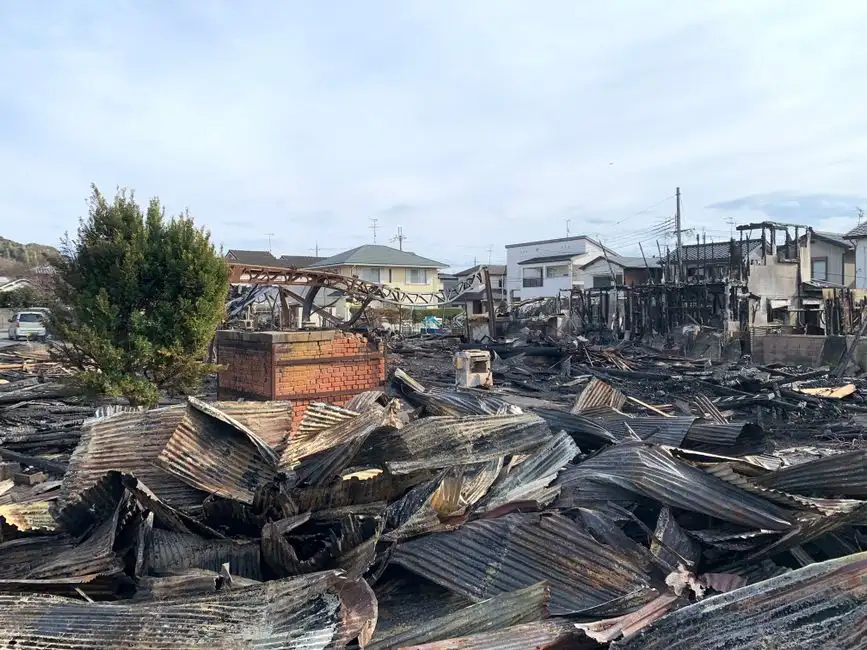 Fire Damage Clean UpThe physical cleanup after the fire trucks leave: debris removal, char scraping, and surface prep. We run fire damage clean up and smoke damage restoration in EDWARDS as one schedule so your house isn't sitting half-cleaned between crews.Explore →Emergency Fire Damage RestorationBoard-up, tarp-over, and water extraction before the smoke work starts. If a pipe or roof opened up during the fire, emergency fire damage restoration in EDWARDS keeps the structure dry so smoke remediation isn't fighting moisture at the same time.Explore →
 Structural Repair After FireReframing, drywall, and finish work once the smoke is out. Structural repair after fire in EDWARDS follows the remediation on the same project timeline, so you're not waiting weeks for a separate contractor to pick up where we left off.Explore →
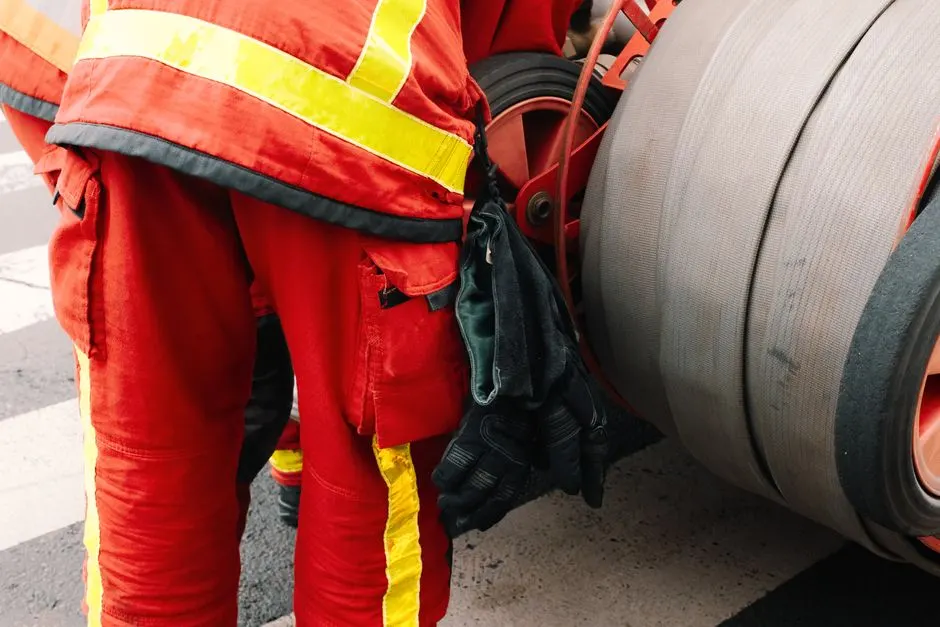 Odor Removal After FireThe dedicated odor phase: thermal fogging, hydroxyl treatment, and duct cleaning. Odor removal after fire in EDWARDS is built into every smoke job, and it's the step that decides whether the smell comes back on the first warm afternoon.Explore →
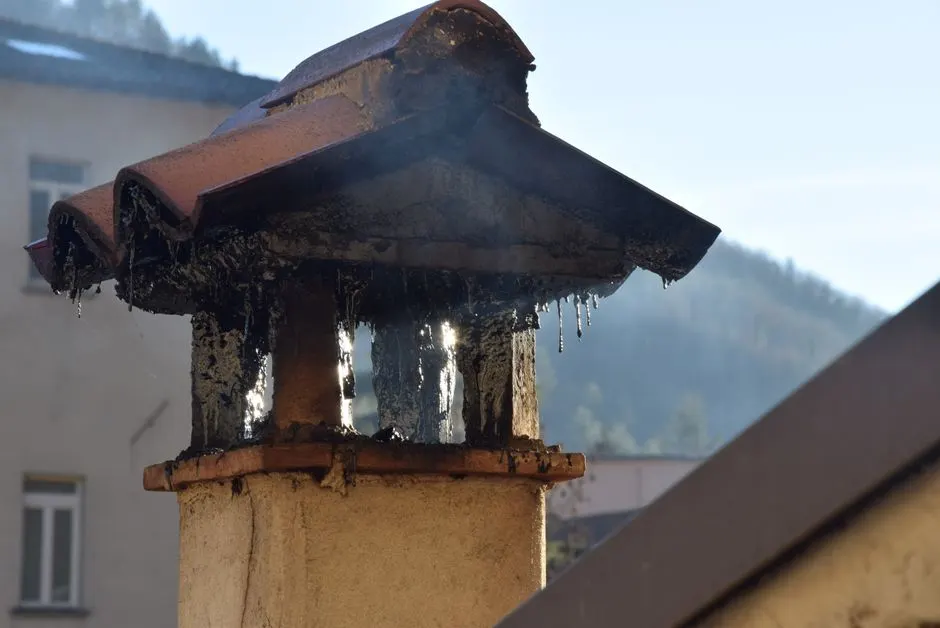 Soot RemovalDry-sponge and HEPA-vac work on ceilings, walls, and framing before any wet cleaning. Soot removal in EDWARDS is the step that saves paint and finishes, and it's the first thing we do on every smoke job we walk into.Explore →
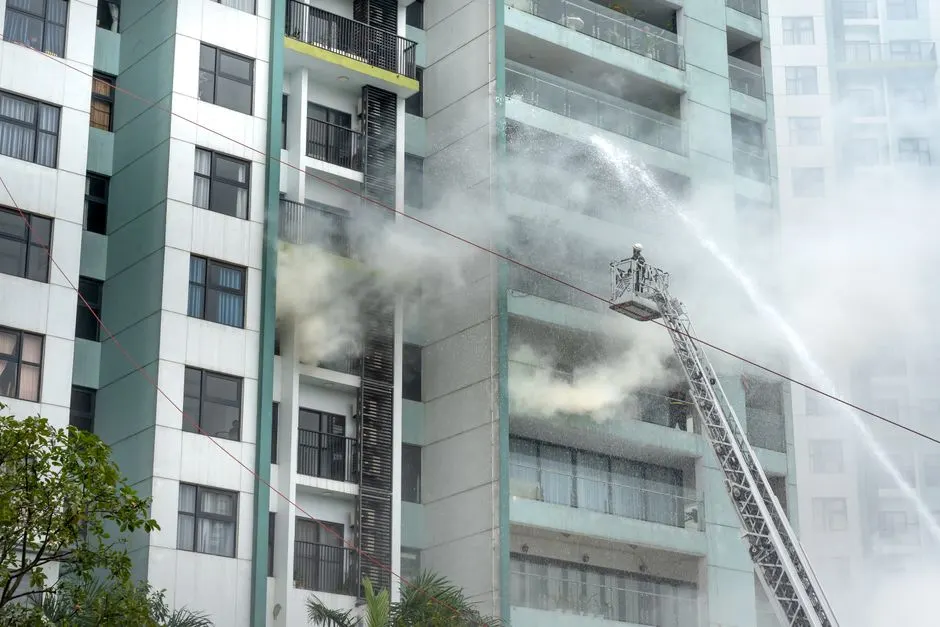 Smoke RemediationThe cleaning and treatment phase of a smoke job, quoted on its own when the structure is sound. EDWARDS smoke remediation services cover soot, odor, and air quality, and we tell you up front if the job needs more than remediation.Explore →
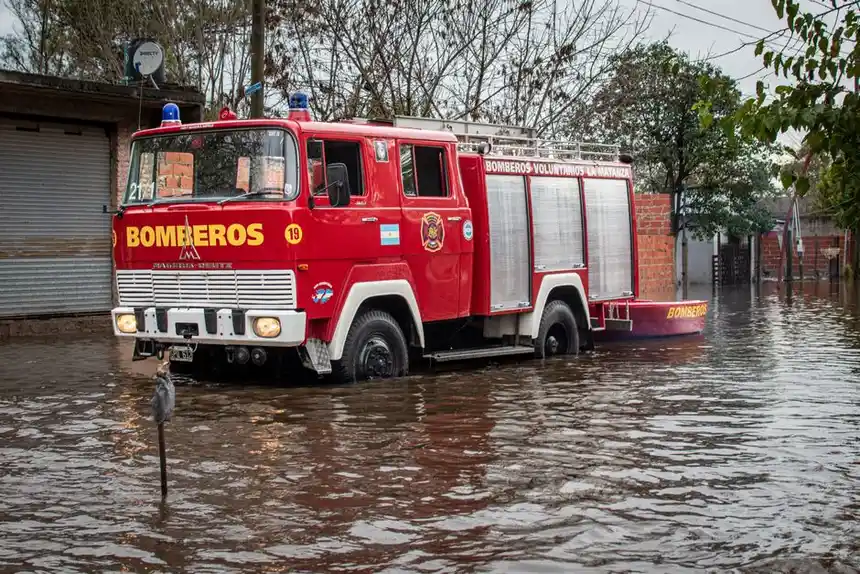 Fire and Flood RestorationWhen firefighting water and smoke damage hit the same house, both have to be handled together. Fire and flood restoration in EDWARDS means drying the structure and treating the smoke in one scope, so mold doesn't set up while the odor work is underway.Explore →
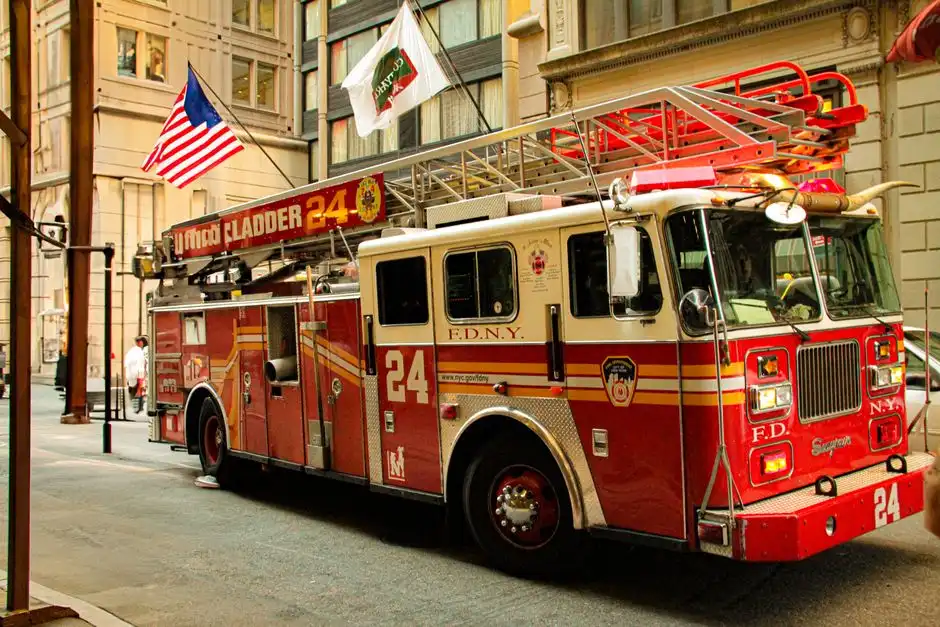 24 hour Fire RestorationRound-the-clock response for fires that happen at the worst time. Our 24 hour fire restoration in EDWARDS puts a crew on-site the same night, contains the smoke path, and starts documentation while the details are fresh.Explore →
Soot and odor get worse with every hour they sit. We answer the phone 24/7, inspect same-day, and give you a written price before any work starts. Licensed, insured, and local to EDWARDS.
Call for inspection (833) 929-6186 →If a fire has damaged your home or business, call us at (833) 929-6186. A live dispatcher answers 24 hours a day and sends a crew to your EDWARDS address, usually within 60 to 90 minutes for emergency calls. We will confirm a response window before we hang up.