01
Emergency Response
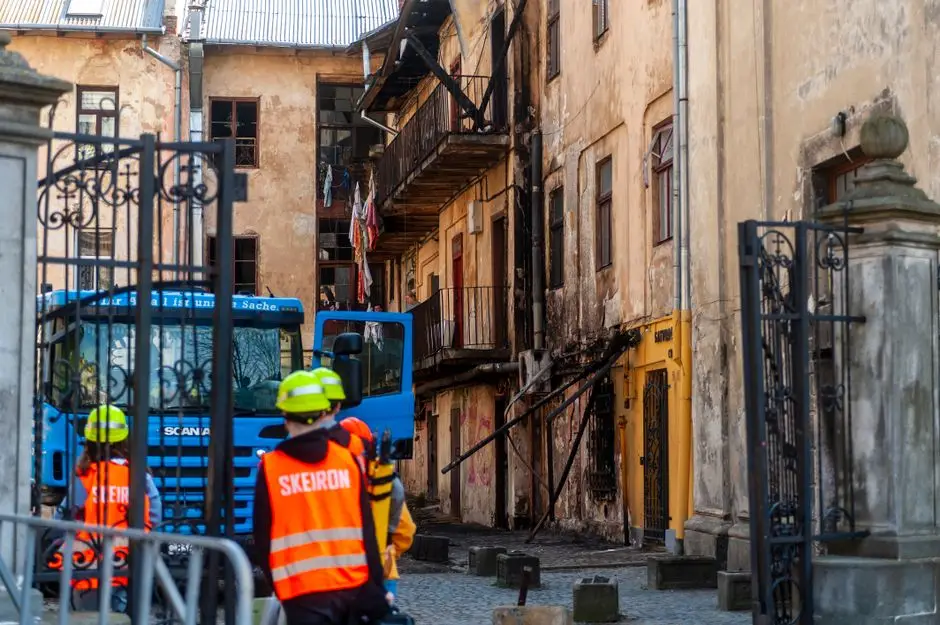
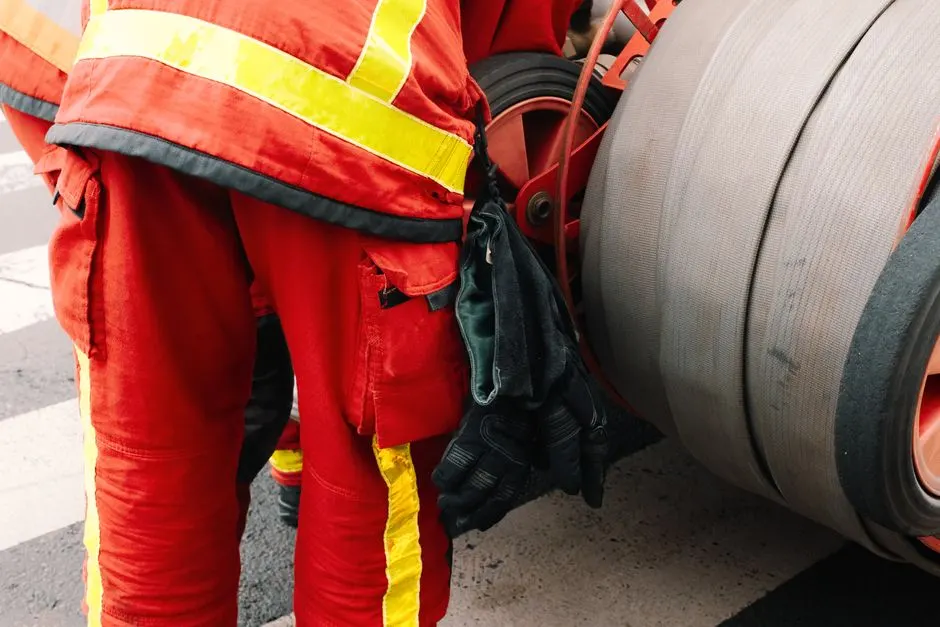
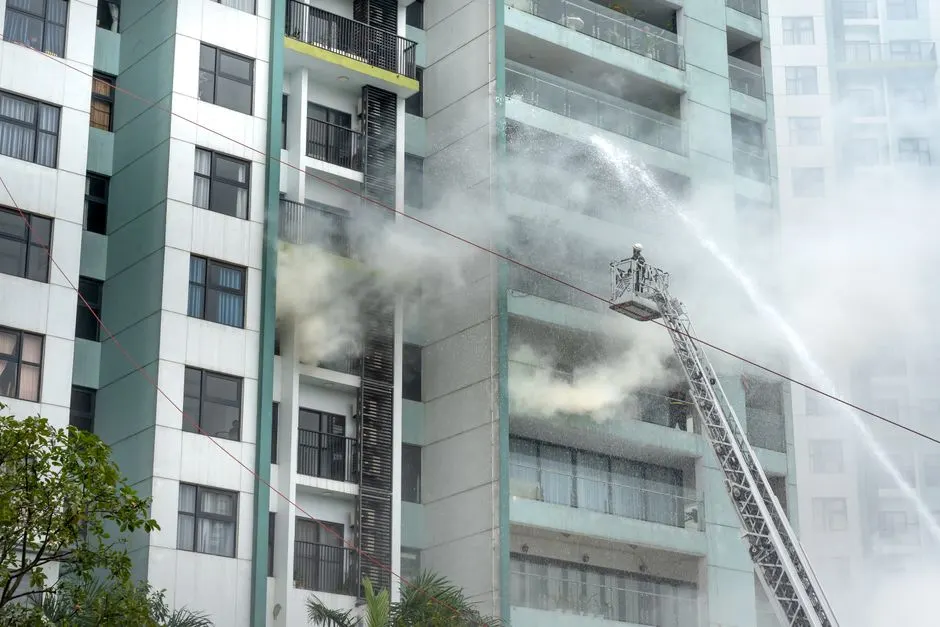
We take your call 24/7, ask what burned and where, and roll a crew with air movers and a thermal imaging camera. On arrival we board or tarp any opening, shut down the HVAC if soot is present, and confirm the fire is fully out before anyone enters the attic. Most EDWARDS calls get a technician on site within two hours.
02
Inspection and Scope
A IICRC Fire and Smoke Restoration Technician walks the attic with a moisture meter and thermal camera, mapping char depth, wet insulation from firefighting water, and duct contamination. We photograph everything and write a scope that separates structural repair from cleaning, so your adjuster sees line items instead of a lump sum.
03
Soot and Smoke Removal
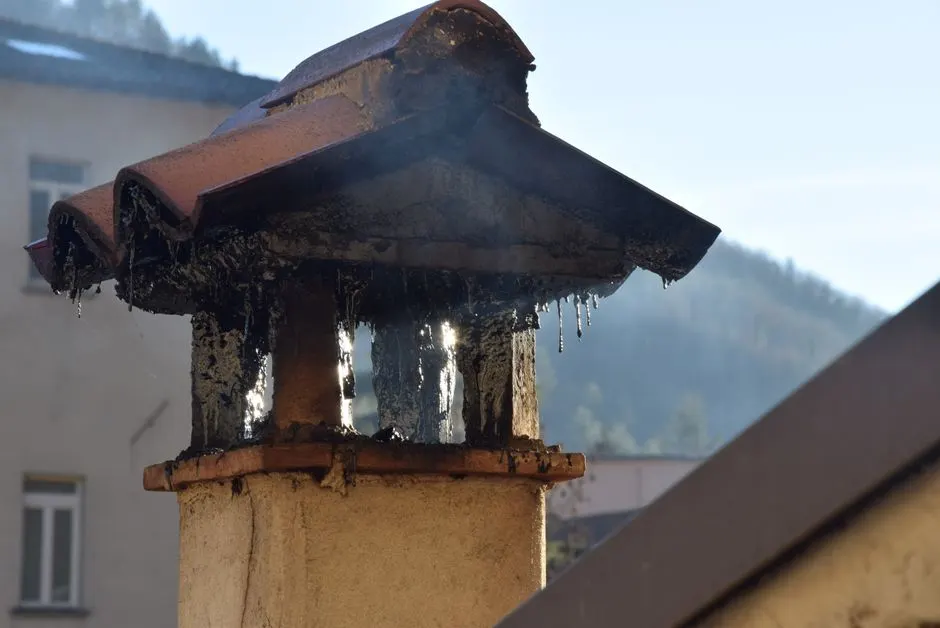
Dry soot comes off framing with soot sponges and HEPA vacuums before any wet cleaning, because wetting dry soot just smears it into the wood. We follow with dry ice blasting on trusses and sheathing, then clean ducts and replace HVAC filters. This stage usually runs two to four days on a typical attic.
04
Deodorization and Sealing
A thermal fogger and hydroxyl generator run through the cavity to break down odor molecules, followed by a smoke sealant primer on every exposed framing surface. Insulation that took smoke is removed and bagged, because no amount of fogging saves saturated fiberglass. Sealing is what keeps the smell from returning in summer heat.
05
Rebuild and Final Walk
We replace charred lumber, drywall, insulation and roofing shingles to California Building Code, then test the HVAC system and take final air quality readings. You get a walkthrough, a written summary of what was replaced, and a workmanship warranty on the rebuild. Most full attic restorations close out in seven to fourteen days.