Smoke odor that keeps coming back
We thermal fog the cavities, run hydroxyl generators, and seal with smoke sealant primer so the source is treated, not masked. Clearance is checked before the unit is released.
When a fire hits your unit, apartment fire cleanup in EDWARDS, California is the first call that stops the damage from spreading. We handle soot removal, smoke odor, water from suppression, and structural repairs for renters, owners, and property managers. Our apartment fire damage restoration EDWARDS California team responds 24/7, documents everything for insurance, and gets your unit back to move-in condition.
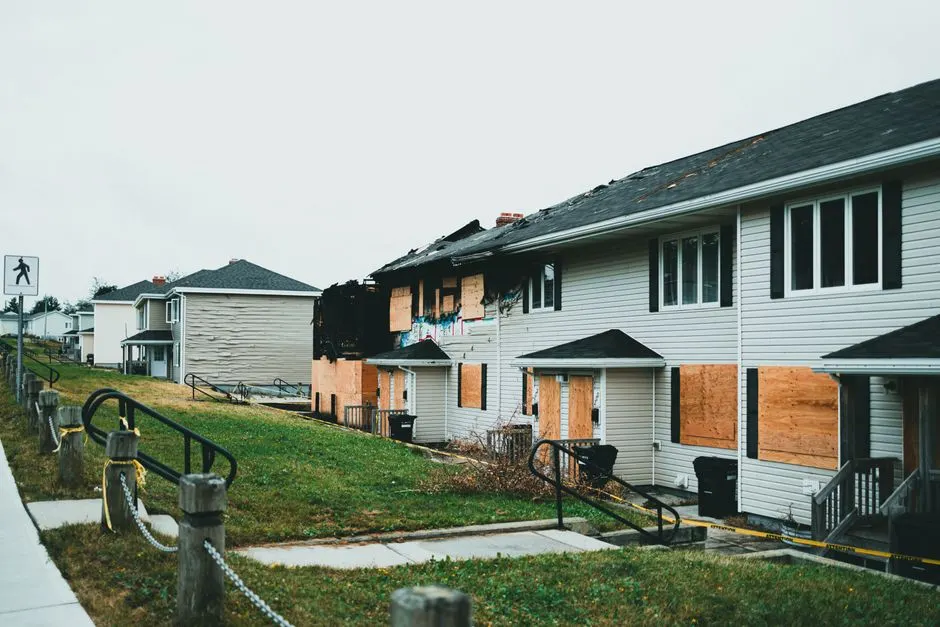
Apartment fire cleanup in EDWARDS, California is the trade work of removing soot, smoke residue, suppression water, and charred material from a unit after a fire, then restoring the structure and air quality so the apartment is safe to occupy again. It is not a wipe-down job. Soot settles into drywall pores, smoke odor penetrates insulation and cabinet backs, and firefighting water wicks into baseboards and subfloor within hours. We use thermal imaging cameras and moisture meters to find what the eye misses, then HEPA air scrubbers and hydroxyl generators to clear the air while we work.
Most EDWARDS apartment fires we see start in kitchens or from electrical faults in older wiring, and the damage rarely stays inside one unit. Smoke travels through shared HVAC chases, corridor vents, and wall cavities, which is why neighbors two doors down often need odor treatment too. If you are searching for apartment fire cleanup near me in EDWARDS California at 2 a.m., we answer the phone and dispatch a crew. We also coordinate directly with landlords and tenant insurance so the scope is clear before demolition starts.
Every apartment fire cleanup in EDWARDS, California starts with a written scope, so you know what is covered before a single tool comes out. The core job covers stabilization, soot and smoke removal, deodorization, and the structural repairs needed to make the unit safe and rentable. Contents restoration and specialty blasting are added when the assessment calls for them.
Windows, doors, and roof openings get secured within hours, and suppression water is extracted before it reaches the subfloor. This is the step that prevents a fire loss from turning into a mold loss.
Dry soot sponging on ceilings and walls first, then HEPA vacuuming and chemical neutralization of acidic residue on fixtures, appliances, and trim. We use dry ice blasting on charred framing where it saves material.
Thermal fogging into wall cavities and cabinet backs, followed by ozone or hydroxyl cycles in unoccupied rooms. HVAC filters and duct sealing materials are replaced so the system does not reintroduce odor.
Drywall, lumber, insulation, and roofing shingles replaced to California Building Code standards, with permits pulled and inspections scheduled. We prime with smoke sealant before paint goes on.
Photographs, moisture readings, and a line-item scope written for the adjuster. Tenant contents are inventoried separately from building repairs so both claims stay clean.
We secure broken windows, doors, and roof openings within hours of your call, usually 60 to 90 minutes after dispatch in EDWARDS. This stops weather intrusion and keeps the unit safe from foot traffic while the scope is assessed.
A IICRC Fire and Smoke Restoration Technician walks the unit with a moisture meter and thermal imaging camera, maps soot travel through HVAC chases, and photographs everything for the insurance file. You get the written scope the same day.
Dry soot comes off ceilings and walls with soot sponges before any wet cleaning, which prevents smearing. We then use dry ice blasting on charred framing and soda blasting on delicate surfaces, followed by HEPA vacuuming of every horizontal surface.
Thermal foggers push odor counteractant chemicals into wall cavities and cabinet backs. Ozone generators and hydroxyl generators run in unoccupied cycles to clear residual smoke molecules. HVAC filters and duct sealing materials get replaced or sealed so the system does not reintroduce odor.
Drywall, lumber, insulation, and roofing shingles go back in to California Building Code standards. We prime with smoke sealant, paint, and test every outlet and fixture. You walk the unit with us, and we do not close the job until you sign off.
Purpose-built equipment, used by trained technicians — so the job is done accurately the first time.
Finds hidden char, wet wall cavities, and smoke travel paths behind drywall before any demolition starts. It is how we scope a job without opening every wall.
Filters fine soot particles out of the air while we work, protecting adjacent units and the crew. Runs continuously through soot removal and repair.
Clears smoke odor in occupied-adjacent spaces where ozone is not safe to use. Runs in longer cycles for gentler deodorization.
Pushes odor counteractant chemicals into wall cavities, cabinet backs, and ductwork where surface cleaning cannot reach.
Removes char from framing and structural lumber without gouging the wood, which saves material that sanding or soda blasting would destroy.
Tracks suppression water in subfloor and baseboards and dries the structure before repairs close it back up. Readings are logged for the insurance file.
Dry sponging lifts soot before wet cleaning smears it, and smoke sealant primer locks residual odor into the surface before paint goes on.
A grease fire charred the cabinets and ceiling in a Downtown Edwards unit and pushed smoke through the corridor vent into the apartment next door. Both units smelled of burnt grease, and suppression water had soaked the baseboards.
Cabinets and ceiling drywall were replaced, both units were thermal fogged and treated with hydroxyl cycles, and moisture readings returned to normal in 3 days. Both units passed odor clearance on day 9.
An outlet fire charred a bedroom wall and melted wiring in a Historic District apartment. Lead paint was present on the trim, and the tenant had already moved out with nowhere to store furniture.
EPA Lead-Safe containment was set, dry ice blasting removed char from the framing, and new drywall, insulation, and wiring went in to code. The unit passed electrical inspection and was re-occupied in 12 days.
A mattress fire in a South Edwards duplex was knocked down quickly, but suppression water ran into the subfloor and the unit smelled of smoke for two weeks before the call. Mold had started in the baseboard cavity.
Water was extracted, air movers and dehumidifiers ran for 4 days, and the affected baseboard and subfloor section were replaced. Ozone treatment cleared the odor, and the unit was back on the rental market in 3 weeks.
The fire is out, but the damage keeps working. These are the problems we see most often when we arrive, and what happens if they are left alone.
Ask a pro →We thermal fog the cavities, run hydroxyl generators, and seal with smoke sealant primer so the source is treated, not masked. Clearance is checked before the unit is released.
Our technicians neutralize residue with odor counteractant chemicals and soot sponges before it sets, saving fixtures that a delayed cleanup would replace.
Air movers and dehumidifiers run the same day as soot removal, with moisture meter readings logged until the structure is dry. One crew handles both losses.
We map smoke travel with thermal imaging, replace HVAC filters, and seal ducts so the system stops redistributing residue. Neighboring units get treated when the scope calls for it.
Most single-unit apartment fire cleanups run $2,800 to $12,500 in 2026, with smoke-only jobs near the low end and structural repairs pushing higher. Cost depends on square footage affected, soot depth, whether suppression water reached the subfloor, and how much drywall and insulation must be replaced. We provide a line-item estimate before work begins, and most tenant insurance policies cover the cleanup portion.
Responsibility usually splits: the landlord's policy covers the building shell, common areas, and fixtures, while the tenant's renters policy covers contents and any damage caused by negligence. In EDWARDS, we document the origin and spread so both carriers see the same facts. We work for whoever hires us but scope the job so neither side pays for the other's portion.
Smoke-only cleanups finish in 2 to 4 days. A unit with drywall and cabinet damage typically takes 1 to 3 weeks, and full structural repair after a kitchen or electrical fire can run 4 to 8 weeks. The timeline depends on permit turnaround with the city and whether the unit is vacant. We give you a written schedule at the start and update it as the job moves.
Both can, and which one pays depends on what is being cleaned. Renters insurance typically covers your personal property and any unit damage you caused; the building policy covers the structure and common areas. We photograph and inventory everything so each carrier gets the portion it owes, and we can bill insurance directly to keep the process moving.
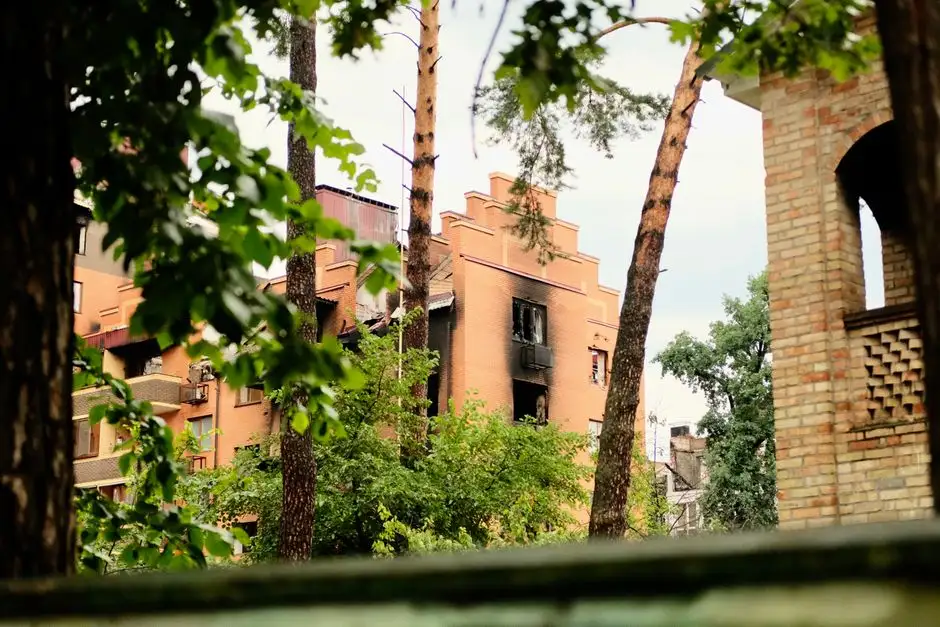 Smoke Damage RestorationSmoke travels farther than flame in apartment buildings, often through shared HVAC chases into units that never burned. We seal and treat those paths so odor does not return after the cleanup is done.Explore →
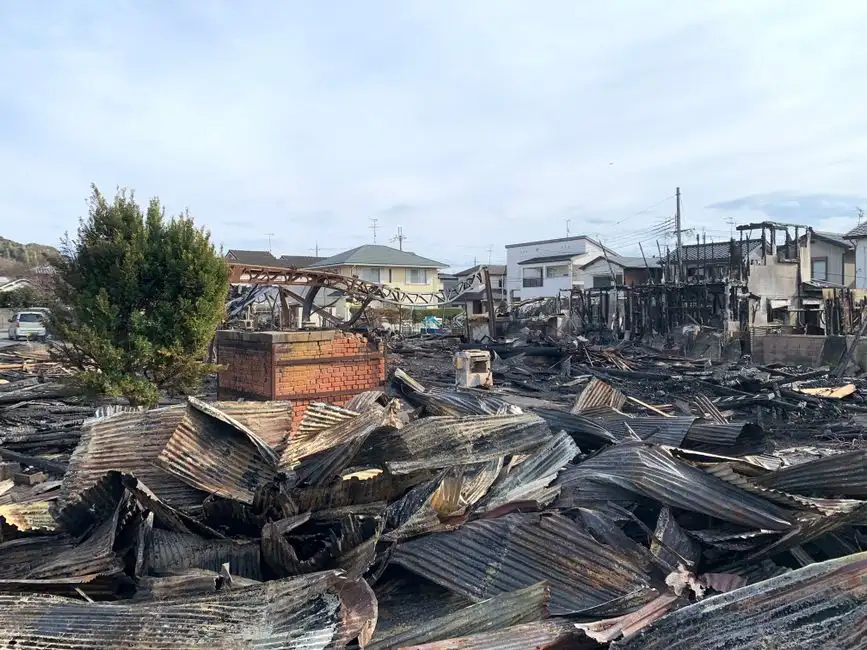 Fire Damage Clean UpThe broader cleanup scope that covers debris hauling, char removal, and surface cleaning beyond a single unit. We handle it in the same visit when the loss extends into corridors or shared storage.Explore →
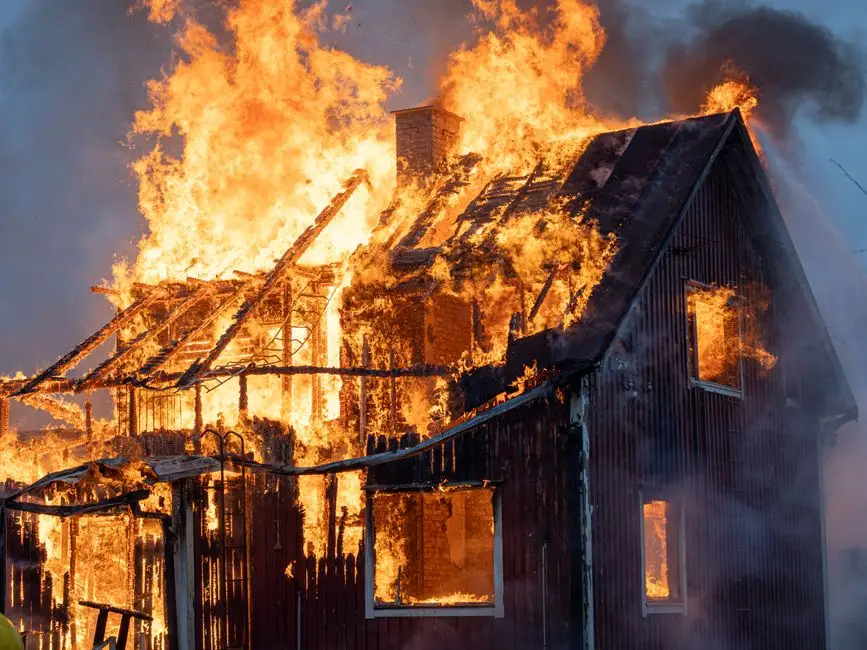 Emergency Fire Damage RestorationBoard-up, water extraction, and initial stabilization within hours of the fire. This is the first call when the unit is still wet and open to the weather.Explore →
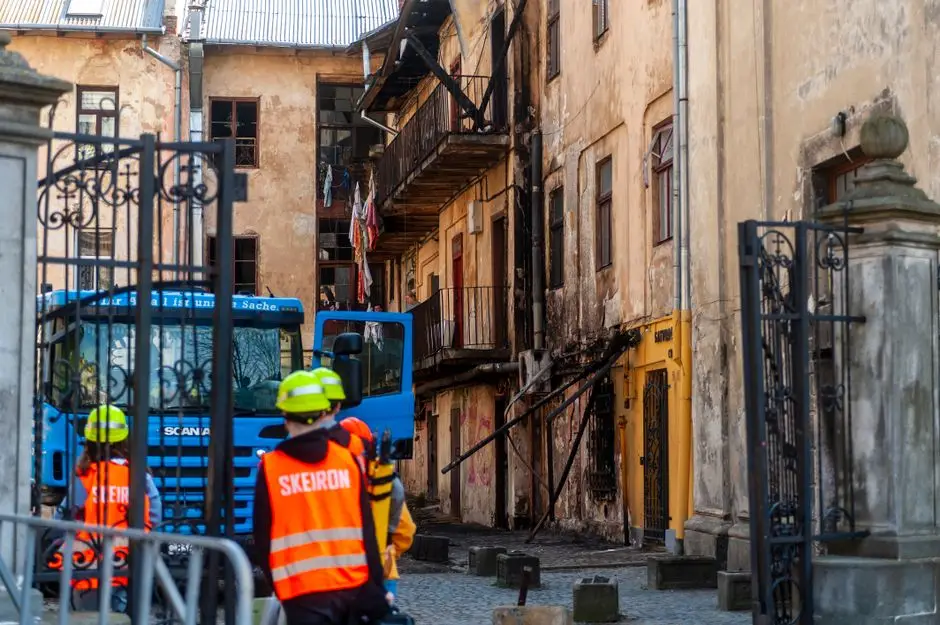 Structural Repair After FireCharred roof trusses, weakened floor joists, and melted plumbing pipes get replaced to California Building Code standards. We pull the permits and handle inspection scheduling.Explore →
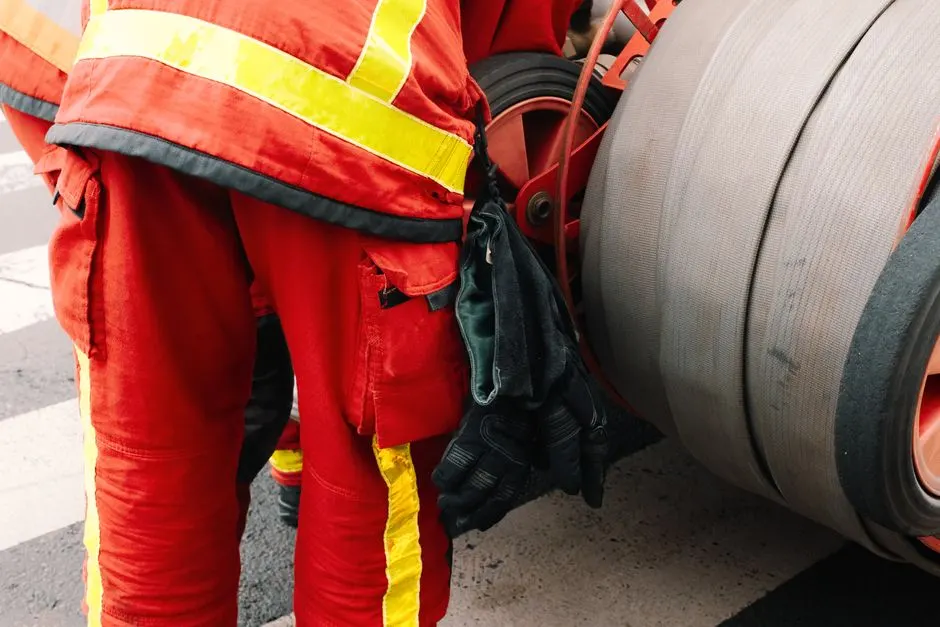 Odor Removal After FireThermal fogging, ozone, and hydroxyl treatment for smoke odor penetration that survives surface cleaning. We run clearance checks before the unit is released back to the tenant.Explore →
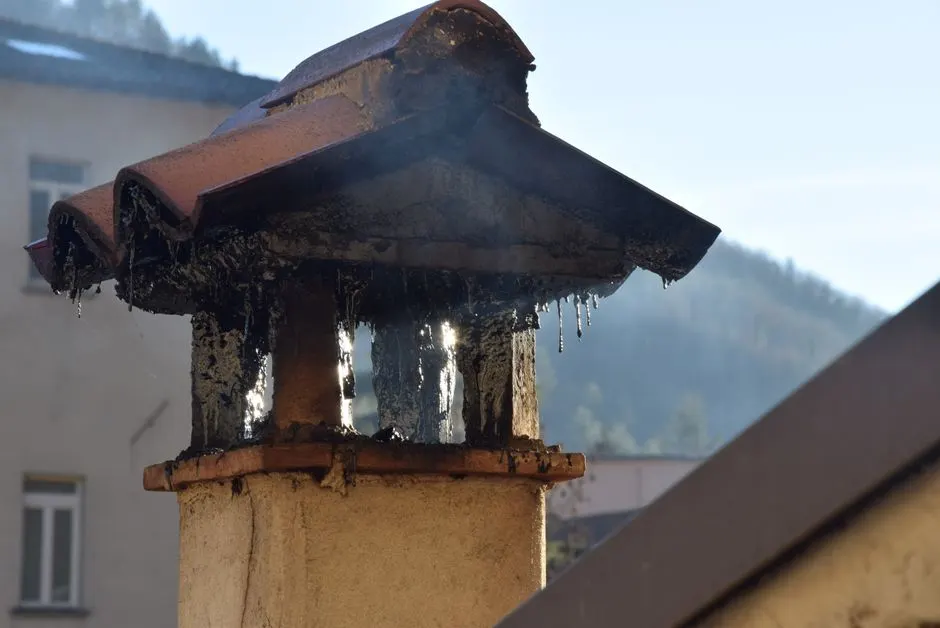 Soot RemovalDry soot sponging, HEPA vacuuming, and chemical neutralization of acidic residue on walls, ceilings, and fixtures. Done before wet cleaning to avoid smearing.Explore →
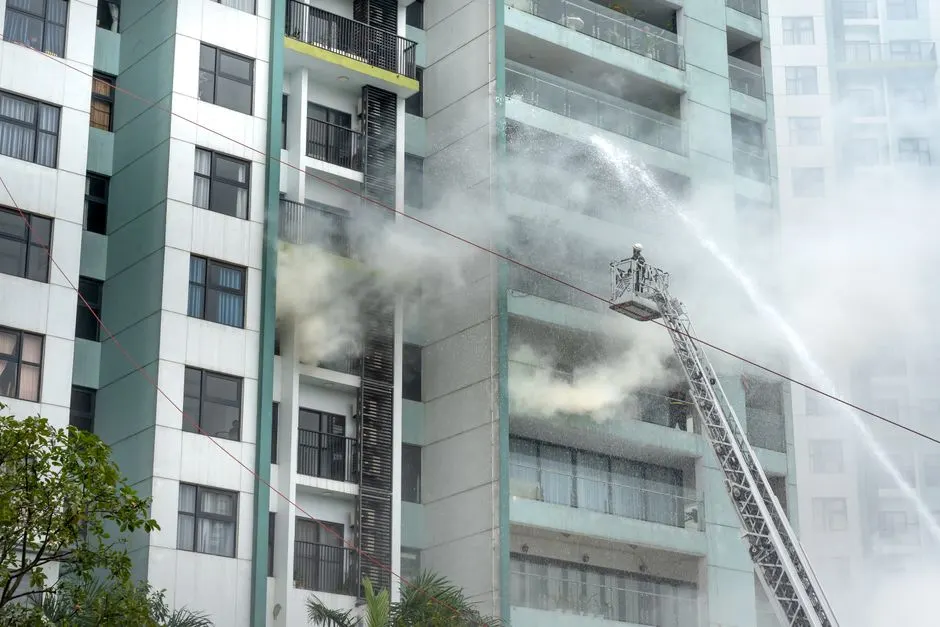 Smoke RemediationTargeted treatment of smoke residue in wall cavities, cabinet interiors, and ductwork. This is the step that keeps odor from reappearing weeks after the job looks finished.Explore →
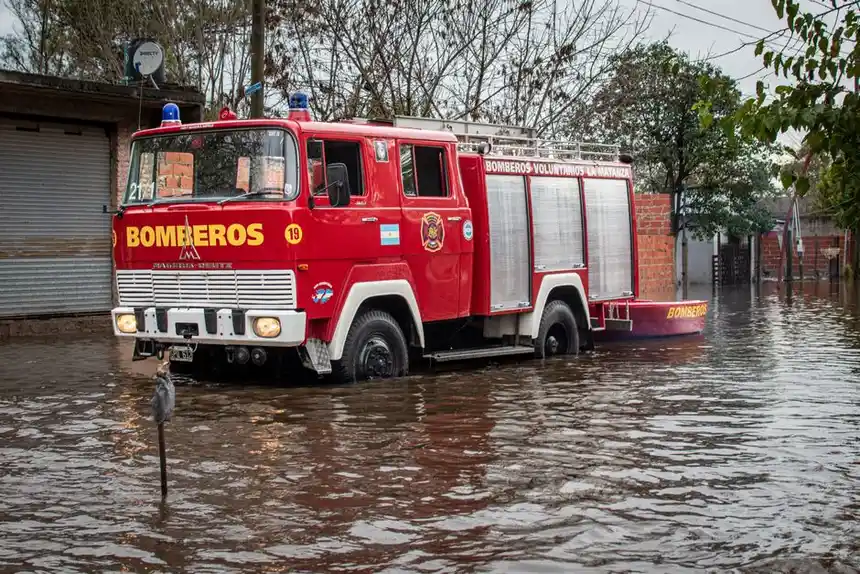 Fire and Flood RestorationWhen suppression water soaks subfloor and baseboards, we dry the structure with air movers and dehumidifiers before repairs close it back up. One crew handles both losses.Explore →
A live dispatcher answers 24/7, and a licensed crew is on the road within 60 to 90 minutes. We board up, scope the damage, and give you a written estimate before any work begins. Call now and we will get your unit moving toward move-in condition.
Call for Dispatch (833) 929-6186 →If a fire has damaged your home or business, call us at (833) 929-6186. A live dispatcher answers 24 hours a day and sends a crew to your EDWARDS address, usually within 60 to 90 minutes for emergency calls. We will confirm a response window before we hang up.